# Premier Online Applique Digitizing Services for Professional Embroidery
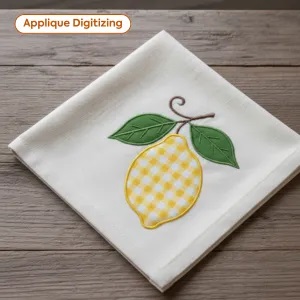
Custom embroidery has become an effective way to personalize clothing, uniforms, accessories, promotional products, and fashion garments. Among the various embroidery techniques available, applique embroidery offers a practical and creative way to combine fabric with thread.
However, producing clean and professional applique work depends heavily on the quality of the embroidery file. This is why ***[premier online applique digitizing services](https://zdigitizing.com/applique-digitizing-service/)*** are increasingly valuable for businesses, embroidery professionals, and individuals seeking reliable production results.
## What Is Applique Digitizing?
Applique digitizing is the process of converting artwork into a digital embroidery file specifically prepared for applique production. Instead of creating an entire design with thread, selected areas are represented by fabric pieces that are attached and finished with embroidery stitches.
A professional digitizer determines the appropriate placement lines, tack down stitches, satin borders, stitch density, stitch direction, and sequencing. These technical decisions help the embroidery machine follow the intended design accurately while maintaining a neat finish.
Unlike basic image conversion, professional digitizing requires an understanding of how artwork will behave when stitched onto different materials. The digitizer must consider the design size, fabric characteristics, embroidery machine capabilities, and final application before preparing the production file.
## Why Professional Applique Digitizing Matters
A well prepared embroidery file can have a direct impact on production quality. Poor digitization may result in uneven borders, excessive thread buildup, fabric puckering, registration problems, or unnecessary stitch counts. These issues can increase production time and may require the design to be corrected before it can be used successfully.
Professional applique digitizing focuses on creating a practical file that balances appearance and machine performance. The design is organized into an appropriate stitch sequence so that fabric placement and embroidery can be completed efficiently.
Accurate digitizing can also help reduce thread consumption and unnecessary machine movements. For embroidery businesses handling repeated orders, these improvements can contribute to more consistent production and better resource management.
## How to Choose a Reliable Applique Digitizing Service
Choosing the right service requires more than comparing prices. Customers should evaluate the provider's technical experience, file compatibility, turnaround policies, revision options, and customer support.
It is also important to determine whether the digitizer understands the intended embroidery application. A design prepared for a lightweight garment may require different settings from one intended for denim, jackets, canvas, or other heavier materials.
Customers should provide accurate design dimensions and production information whenever possible. Clear communication about fabric type, placement, thread colors, and machine requirements can help the digitizer create a more suitable file.
## Applique Digitizing for Different Embroidery Projects
Professional applique digitizing can accommodate a broad range of projects. Corporate apparel may require clean logo reproduction, while sports uniforms may involve large lettering, numbers, or mascot designs. Fashion applications may require decorative fabric combinations with detailed embroidery finishes.
The technique is also useful for personalized products where customers want distinctive designs without relying entirely on dense embroidery. By combining fabric and thread, applique can create visual contrast while controlling stitch volume.
## The Importance of Quality Control
Quality control should be an important part of the digitizing process. Before production, the embroidery file should be reviewed for stitch sequencing, registration, density, borders, and overall design balance.
Whenever possible, testing the file on a similar fabric can reveal potential issues before a larger production run begins. Adjustments may be necessary depending on the material, embroidery machine, needle selection, stabilizer, and design dimensions.
This production focused approach helps reduce avoidable errors and supports more consistent embroidery results.
## Final Thoughts
Premier online applique digitizing services provide a convenient way to convert artwork into production ready embroidery files. Professional digitization combines creative judgment with technical embroidery knowledge to create files that are suitable for real world applications.
From uniforms and promotional apparel to sportswear and customized fashion pieces, accurate applique digitizing can improve production efficiency and overall embroidery quality.
By choosing an experienced service and providing clear project requirements, customers can receive files designed with both appearance and machine performance in mind.
## Frequently Asked Questions
### What is the difference between applique digitizing and regular embroidery digitizing?
Regular embroidery digitizing generally converts artwork into stitches, while applique digitizing incorporates fabric pieces into selected areas of the design. The file must include placement and tack down stitches along with the finishing embroidery.
### What artwork is suitable for applique digitizing?
Logos, lettering, geometric shapes, mascots, decorative patterns, and other designs with clearly defined sections can work well for applique. A professional digitizer can review the artwork and determine whether it is suitable for the technique.
### How long does applique digitizing take?
Turnaround depends on design complexity, size, required file format, and the service provider's workload. Simple designs may require less preparation than detailed or multi layered artwork.
### Can an applique embroidery file be used on different fabrics?
An embroidery file may require adjustments when used on substantially different fabrics. Material thickness, stretch, stability, and construction can affect stitch settings and overall performance, so testing and customization may be recommended for different applications.